Restricted Range
Its natural distribution is limited to the Osa Peninsula and part of western Panama.

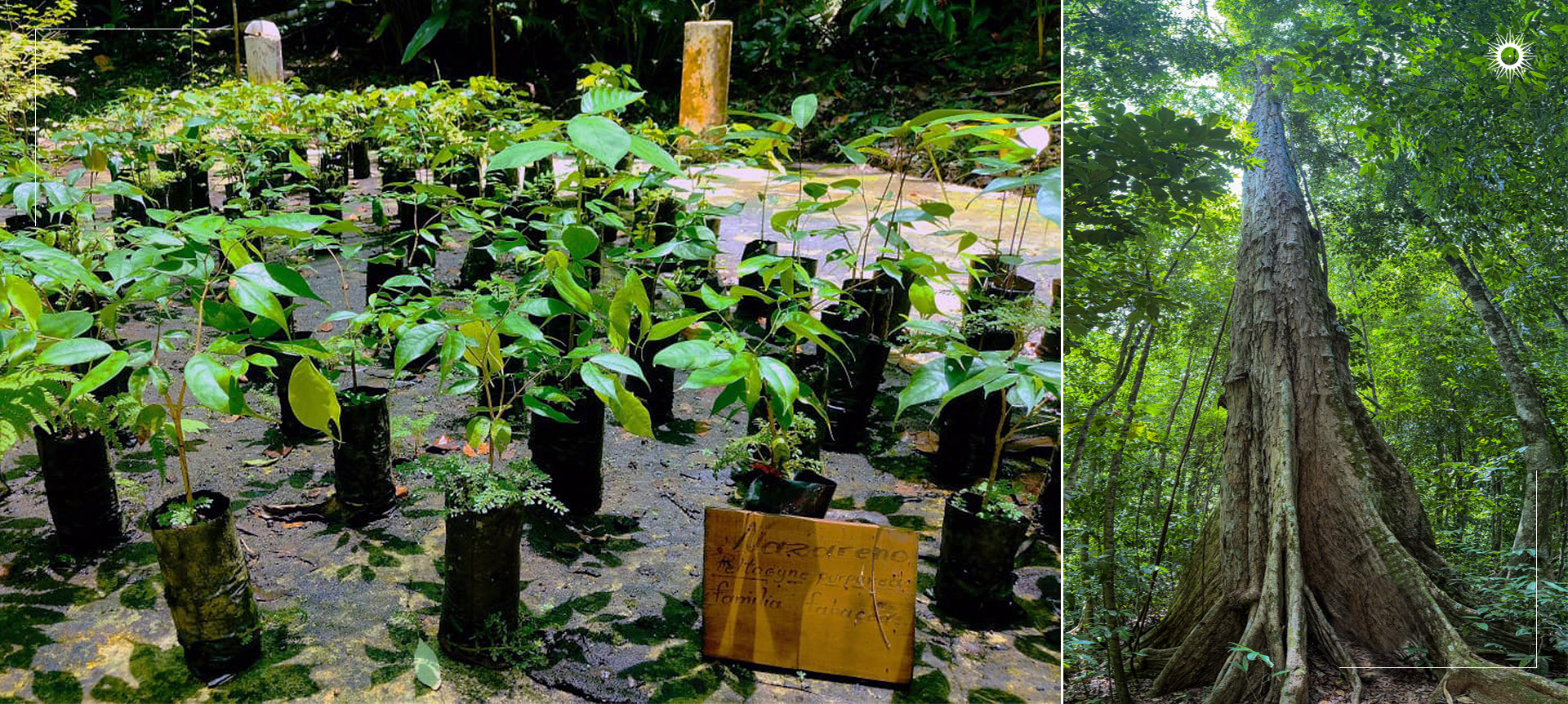
Of approximately 60,000 known tree species worldwide, around 8,000 are considered threatened with extinction.
Costa Rica is home to 2,677 confirmed tree species, and at least 242 are currently considered endangered, with additional species potentially being added as assessments continue.
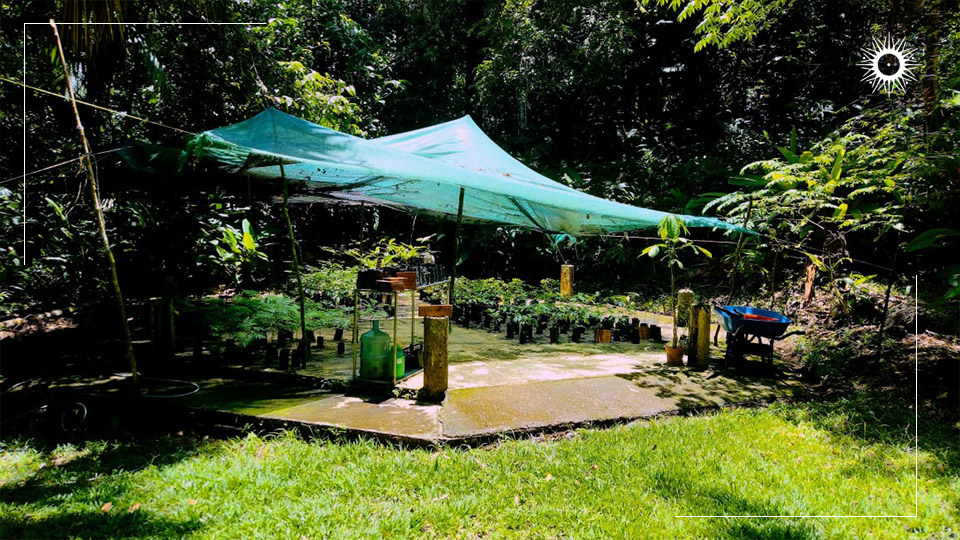
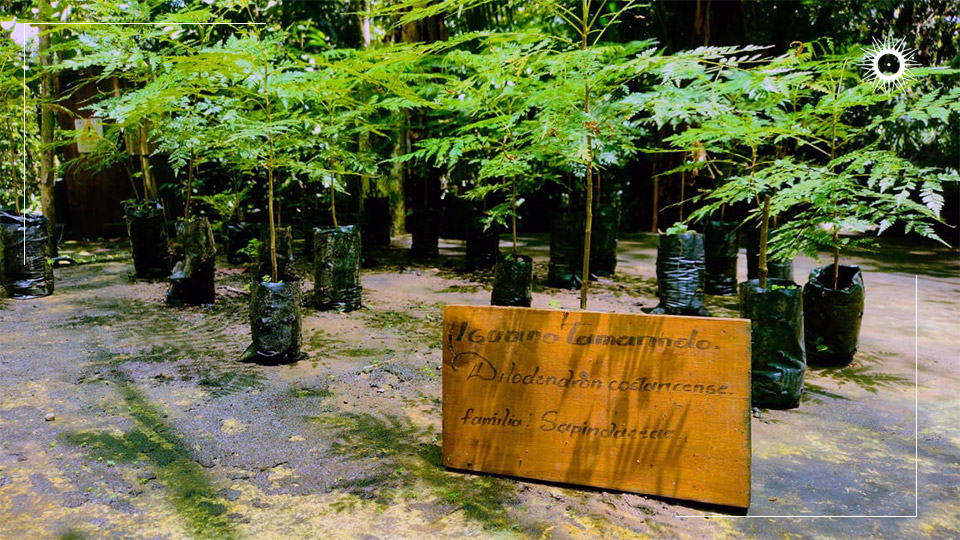
Conservation organizations and private reserves are helping reverse the effects of deforestation. On the Osa Peninsula, Lapa Rios, Osa Conservation and the Global Tree Campaign are part of that wider effort.
Paramachaerium gruberi, known as the Sangrillo Colorado, is one of Costa Rica’s rarest and most distinctive tree species.
Named for the reddish color of its wood, it is found only on the Osa Peninsula and in Panama’s Barú region. Its limited distribution and vulnerability to illegal logging have made it an important focus of Osa Conservation’s Botanical Conservation Program.
Its natural distribution is limited to the Osa Peninsula and part of western Panama.
Some trees in the Lapa Rios reserve are estimated to be 500 to 600 years old.
The tree supports birds and mammals, including macaws, parrots and monkeys.
Its rarity and exposure to illegal logging make long-term protection essential.
The lodge’s 1,000-acre private reserve protects a significant concentration of Sangrillo Colorado trees, making the property an important refuge for the species.
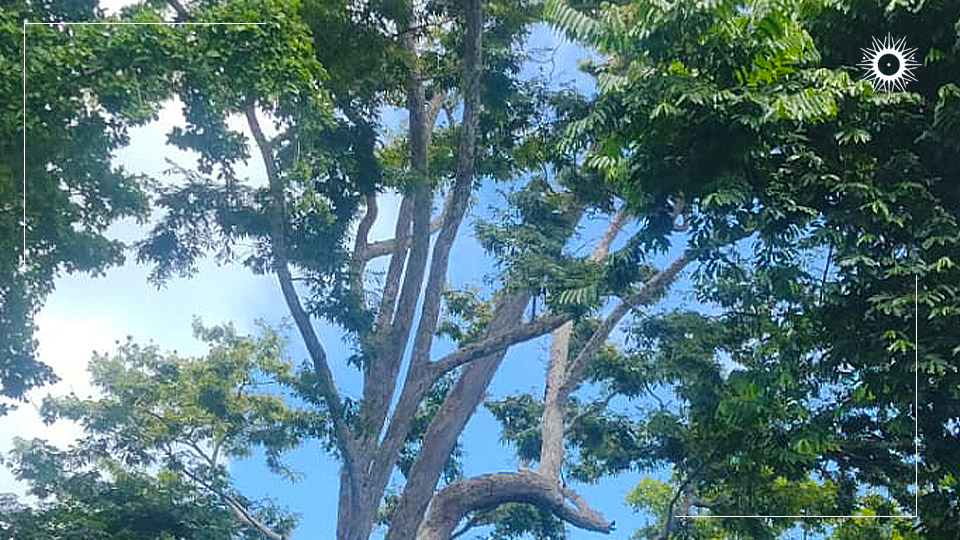
The Sangrillo Colorado is more than a rare botanical specimen. Mature trees contribute structure, shelter and food to the rainforest ecosystem.
By protecting the species and the forest around it, conservation efforts also support the birds, mammals, insects and plants that depend on a healthy habitat.
Its age, rarity, resilience and ecological importance have earned the Sangrillo Colorado recognition as Lapa Rios’s flagship tree species.
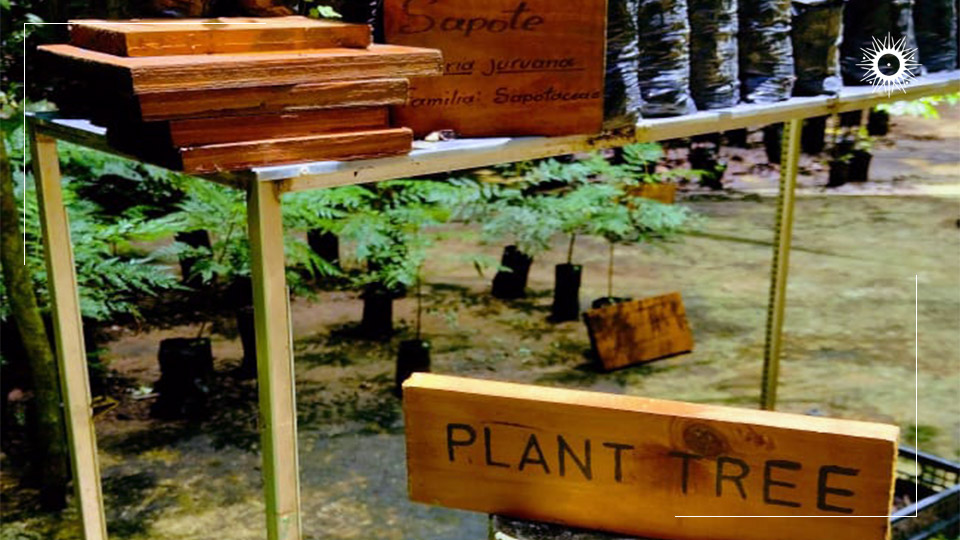
Through the Lapa Rios Plant a Tree Program, visitors can help support the future of the Osa Peninsula’s endangered tree species.
The experience introduces participants to rainforest regeneration and allows them to contribute directly to an emerging forest area.
Guests begin at the Lapa Rios tree nursery with members of the conservation team.
Staff biologists explain how native species support rainforest recovery.
Participants select a native tree, potentially including Sangrillo Colorado.
The seedling is planted in a regenerating section of the reserve.
Participants receive a digital diploma documenting the date and location of their tree planting. Gift diplomas are also available for trees planted in honor of another person.
The protection of endangered trees depends on preserving mature forests while also ensuring that new generations of native species have space to grow.
At Lapa Rios, conservation becomes both a long-term responsibility and an experience guests can take part in personally.
Every seedling planted strengthens a forest that shelters extraordinary biodiversity and protects species found in very few other places on Earth.
The Sangrillo Colorado stands as a reminder that even the rarest trees can have a future when protected land, scientific knowledge and individual action come together.