Free Education
Children can attend lessons without cost, making music accessible to local families.

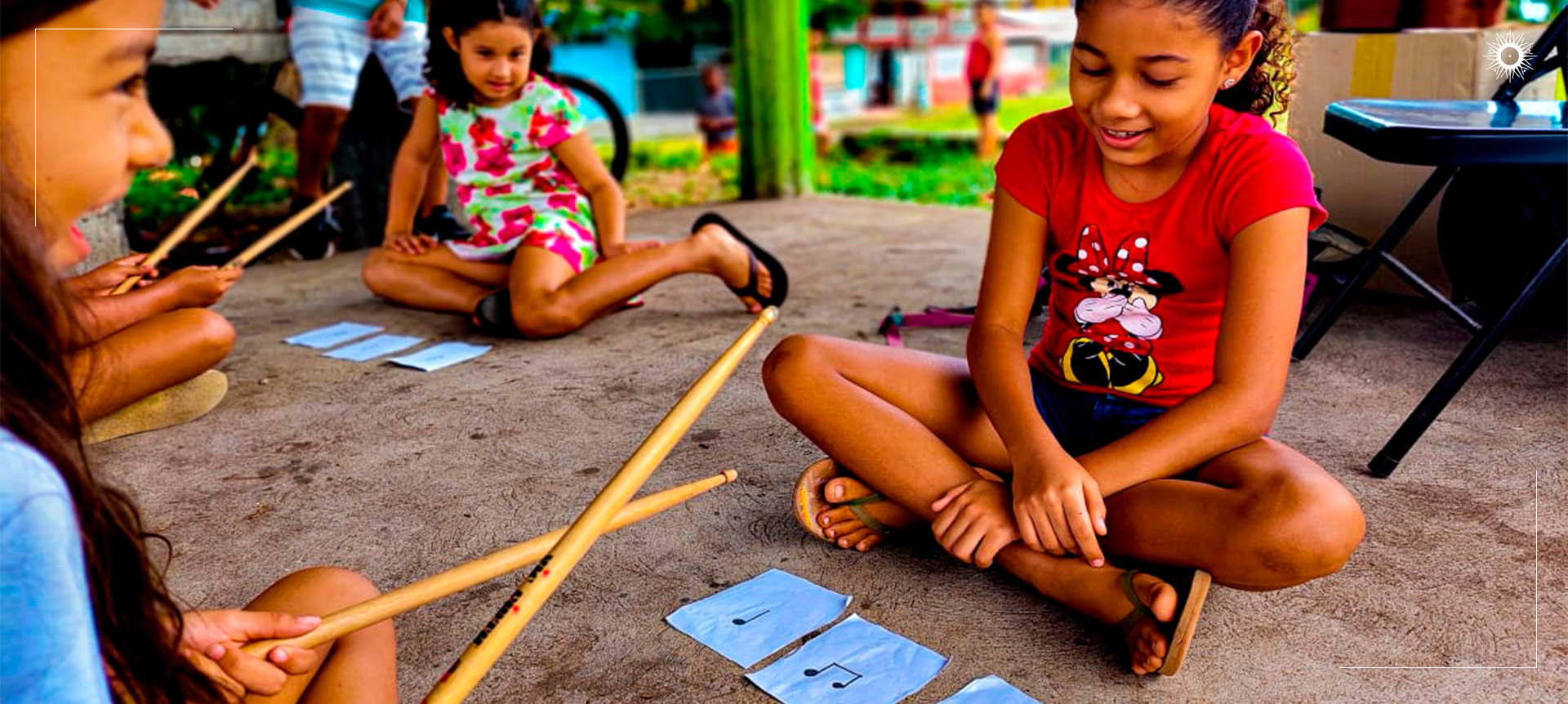
The children play drums, congas and tambourines while Marlo sings and keeps time on a cowbell, conducting his miniature orchestra at the Centro Comunal in Tortuguero.
This is the Escuela de Música Caribeña, a new community music school with a clear mission: to teach local children the Latin American and Caribbean rhythms of their roots before those traditions disappear.
The school is funded entirely by Tortuga Lodge, which supports Marlo’s work as instructor.
The initiative reflects Böëna’s broader approach to sustainable tourism: protecting natural environments while helping local communities create meaningful opportunities through education, culture and employment.
Children can attend lessons without cost, making music accessible to local families.
Traditional Caribbean and Latin American rhythms are passed to a new generation.
Students learn that their own cultural heritage is worthy of study and celebration.
Musical skills may eventually support performances, tourism and local employment.
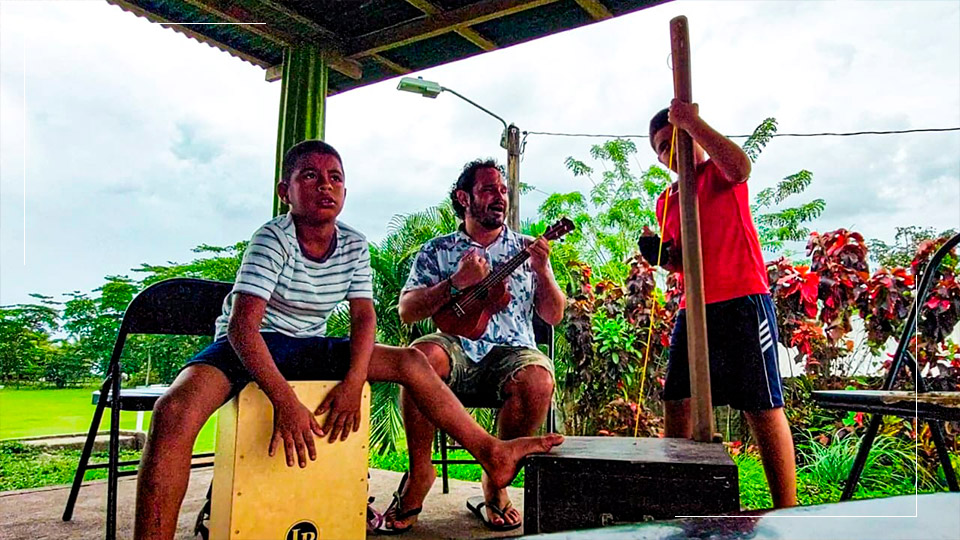
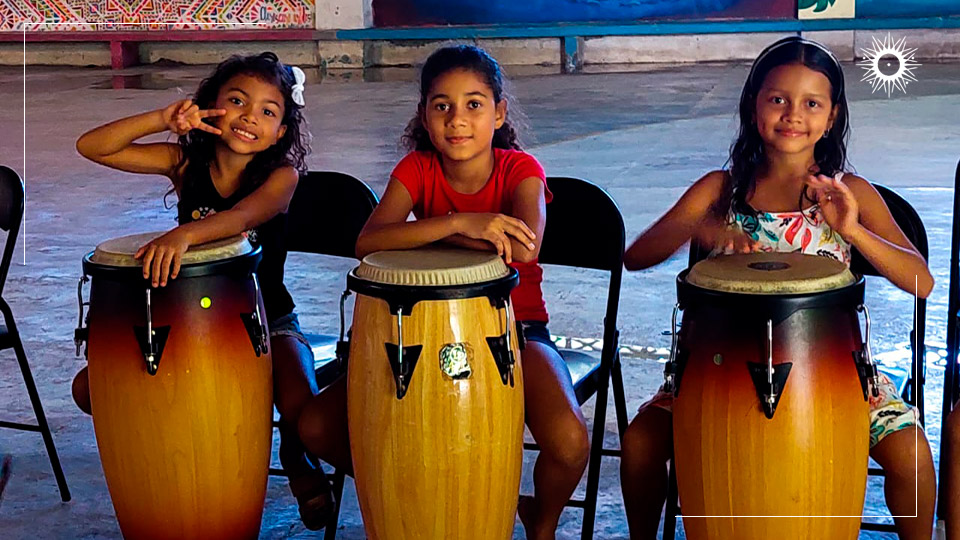
Calypso is lyrical, soulful and deeply connected to Afro-Caribbean history. Its rhythms carry stories, humor, identity and collective memory.
Yet in Tortuguero, Marlo says only one musician remains who still plays the style. Teaching the music to children is therefore more than an artistic exercise; it is an act of preservation.
Traditional music helps a community recognize itself. When children learn the rhythms of their region, they gain a deeper connection to their history and a stronger sense of cultural belonging.
For Marlo, the project is deeply personal. After studying music and music education in San José, he realized that many Latin American academies emphasized European traditions while giving less space to the music of the region itself.
He began traveling to understand those missing rhythms firsthand, visiting countries throughout Central and South America as well as the United States and Europe.
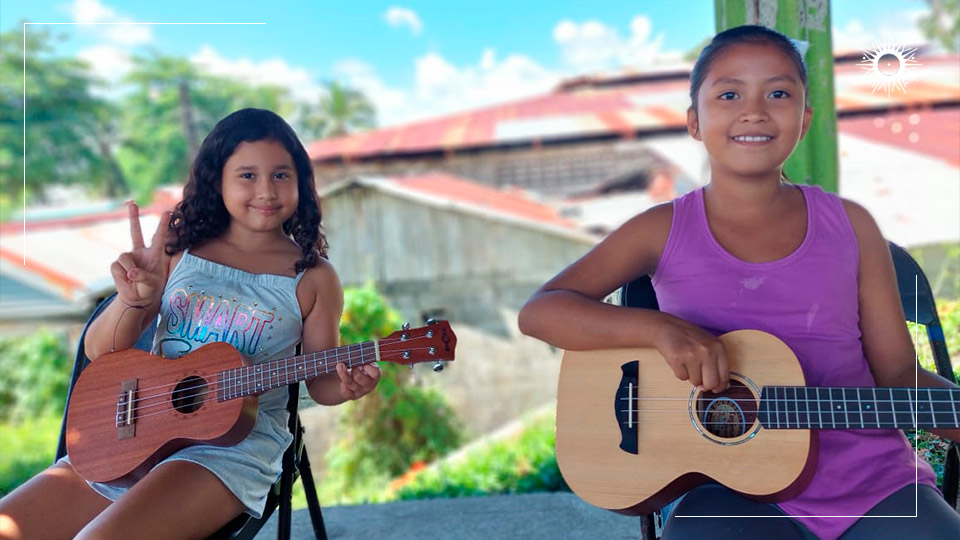
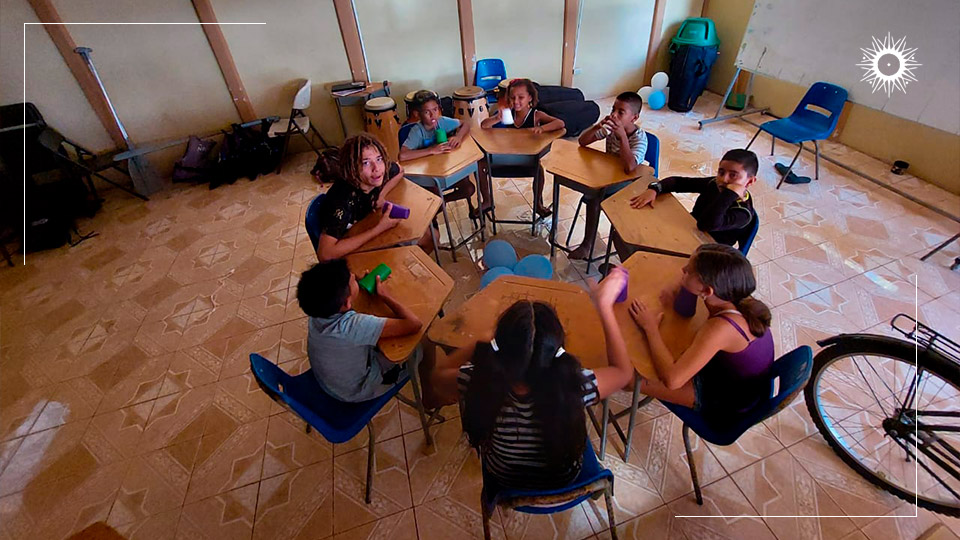
Classes are held from 3:00 to 5:00 p.m. Students learn through percussion and string instruments, building coordination, confidence and ensemble skills.
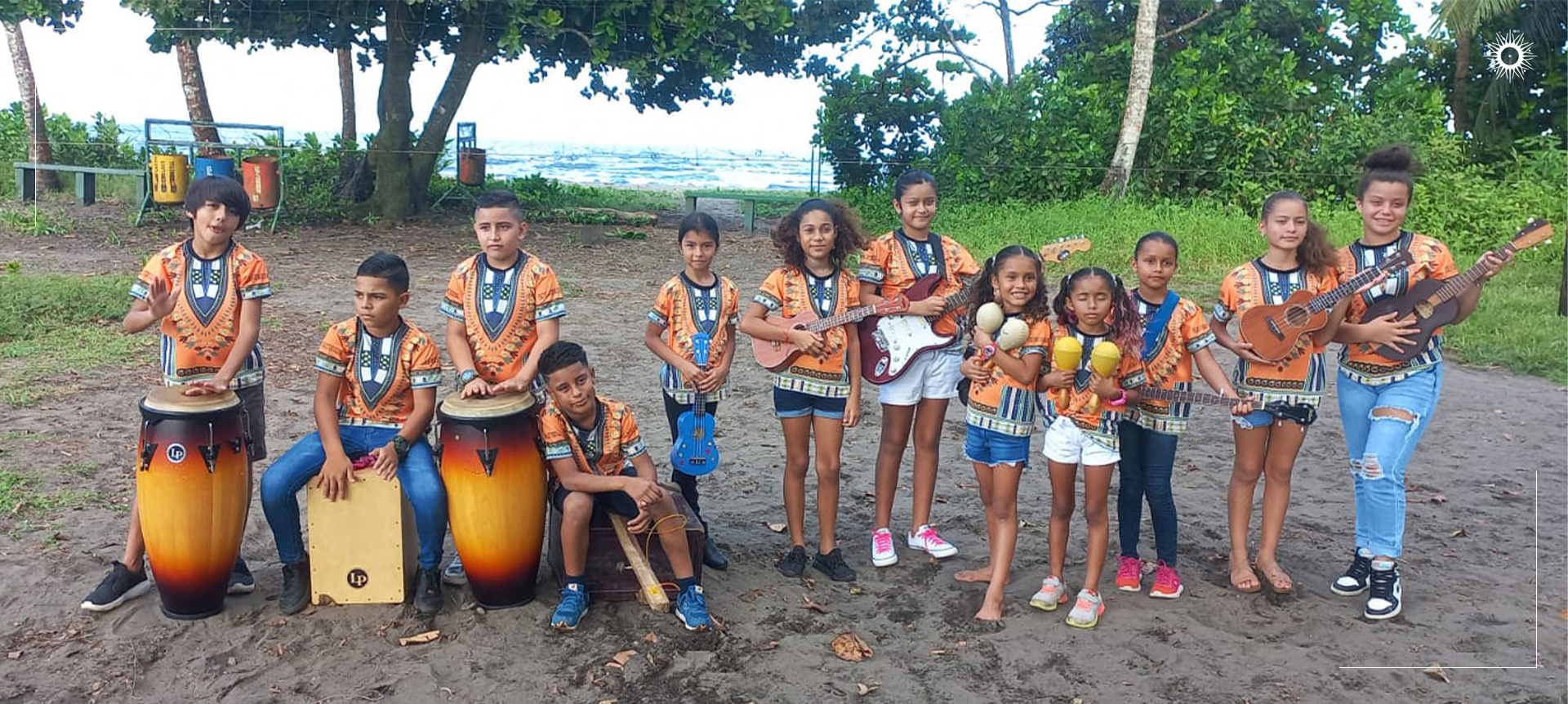
The school hopes to create a band, organize concerts and bring live Caribbean music into hotels, restaurants and community events.
Additional instruments, including saxophones and trumpets, are already available. The next step is finding instructors who can expand the program and help more children participate.
The impact begins with attention, education and time. By giving children a place to learn and perform, the school is helping them imagine futures rooted in their own community.
The Escuela de Música Caribeña is preserving more than songs. It is protecting identity, building confidence and creating a bridge between generations.
Every beat played by these young musicians carries the possibility that Tortuguero’s Caribbean traditions will continue to be heard.